Modern dental implant procedures rely on specialized tools that prioritize both precision and patient comfort. Among the many advancements in surgical instrumentation, one design that stands out is the use of drills engineered to preserve bone structure while improving surgical outcomes.

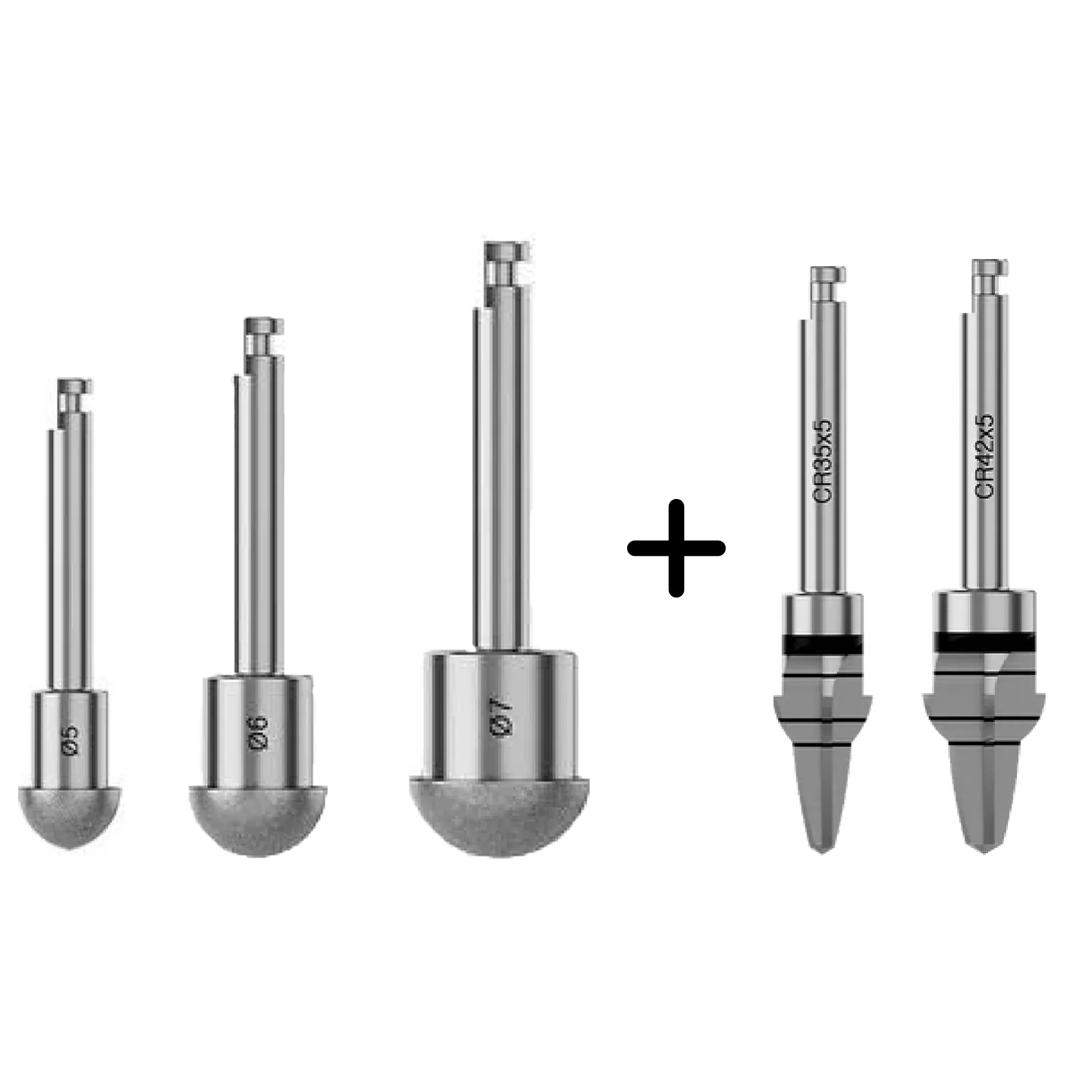
In implantology, maintaining the integrity of the soft tissue architecture is essential for long-term success. That’s where scallop shaped drills play a critical role. These drills are carefully crafted with a curved, scallop-like cutting edge that matches the natural contour of the gingiva. This allows clinicians to prepare the implant site while preserving the natural tissue shape, leading to improved esthetics and faster healing.
The use of scallop-shaped drills also supports better emergence profiles, especially in anterior zones where visual outcomes are paramount. Because the drill mimics the shape of the final prosthesis emergence, it minimizes the need for extensive soft tissue reshaping after placement. For dentists and implant surgeons, this means reduced chair time and a more predictable result.
Furthermore, these drills are often made from high-grade surgical stainless steel or coated with materials that reduce friction and enhance durability. Their unique shape not only aligns with surgical anatomy but also reduces trauma during osteotomy, preserving critical bone structures around the implant site.
At our clinic, we focus on using innovative tools and technologies that support optimal results for every patient. Scallop drills are just one example of how advancements in implant dentistry continue to improve care, safety, and satisfaction.
Choosing the right instrumentation is vital for every phase of implant surgery—from planning to execution. By integrating proven tools like scallop-shaped drills, dental professionals can deliver results that are functional, natural-looking, and long-lasting.



Write a comment ...