
The field of implant dentistry has always been driven by innovation, but in 2026, artificial intelligence (AI) is changing the game faster than many practitioners expected. If you've been following developments in digital dentistry, you've probably noticed that AI is no longer just a buzzword. It's becoming a practical tool that helps clinicians make better decisions, improve surgical precision, and achieve more predictable outcomes.
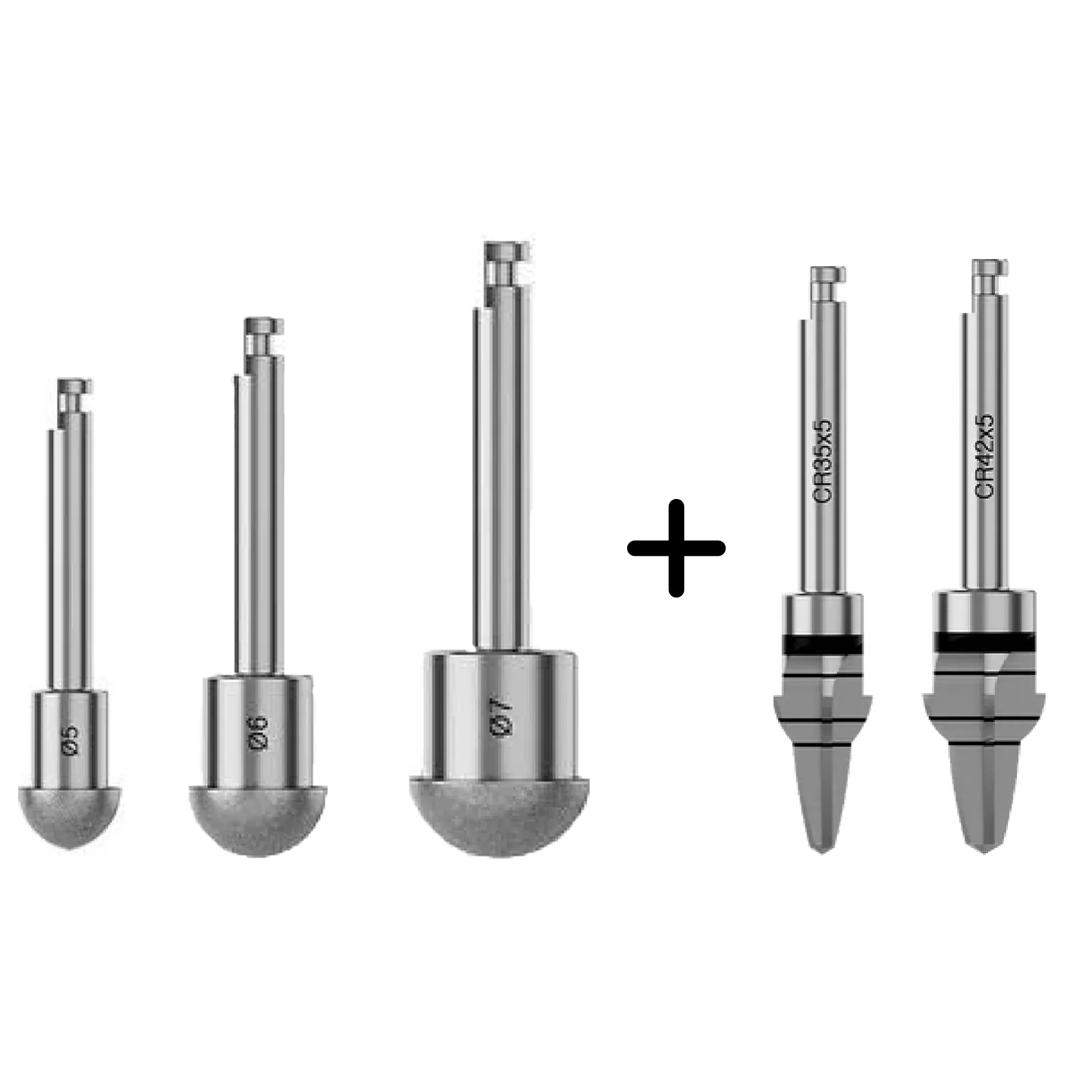
One area where this transformation is particularly evident is implant osteotomy planning. From selecting the right Implant Osteotomy drills to optimizing surgical workflows, AI is influencing how implant procedures are planned and executed. While the technology is still evolving, the impact it is having on modern implantology is difficult to ignore.
Why AI Is Gaining Attention in Implant Dentistry
If you've ever spent time reviewing CBCT scans, evaluating bone density, and planning implant placement manually, you know how complex the process can be. Every patient presents unique anatomical challenges, and even experienced clinicians must balance multiple variables before surgery begins.
AI systems are designed to analyze large amounts of patient data quickly. By examining CBCT images, digital impressions, and treatment history, these platforms can provide recommendations that support clinical decision-making.
This doesn't mean AI replaces the clinician. Rather, it acts as an intelligent assistant that helps identify potential risks, suggests optimal implant positions, and supports more accurate osteotomy preparation.
Think of it as having an extremely detail-oriented colleague who never gets tired of reviewing scans.
How AI Is Improving Implant Osteotomy Planning
One of the most significant advantages of AI is its ability to assist with treatment planning before the first drill touches bone.
Advanced planning software can now:
Analyze bone density automatically
Identify anatomical structures such as nerves and sinuses
Recommend implant positioning
Suggest osteotomy depth and angulation
Support guided surgery workflows
For clinicians, this can mean greater confidence when selecting Implant Osteotomy drills and determining the appropriate drilling sequence.
In cases involving challenging bone conditions, AI-generated insights may help reduce planning errors and improve overall surgical predictability.
The Growing Role of Bone Density Analysis
Bone density remains one of the most important factors influencing implant success. Selecting the wrong drilling protocol for a particular bone type can compromise primary stability and affect long-term outcomes.
AI-powered software can evaluate bone quality with a level of consistency that may be difficult to achieve through visual interpretation alone.
For example, when planning treatment in softer D3 or D4 bone, AI tools may help clinicians determine whether modifications to the osteotomy protocol are needed. Likewise, in dense D1 bone, the technology can support decisions regarding drilling speed, depth, and the choice of Implant Osteotomy drill systems.
This level of data-driven planning is becoming increasingly valuable as patient expectations continue to rise.
Guided Surgery and AI: A Powerful Combination
Perhaps the most exciting trend is the integration of AI with guided implant surgery.
Guided surgery has already improved placement accuracy by allowing clinicians to follow digitally planned implant positions. When AI is added to the workflow, planning becomes even more sophisticated.
Several digital dentistry experts have noted that AI-assisted planning can streamline treatment preparation while helping clinicians identify potential complications earlier in the process.
Online discussions among implantologists frequently highlight the benefits of combining AI planning with surgical guides. Many clinicians report improved efficiency, reduced chair time, and greater confidence during complex cases.
Of course, successful outcomes still depend on proper surgical technique. Even the most advanced software cannot compensate for poor execution in the operatory.
Real-World Adoption Is Growing
Major digital dentistry companies are investing heavily in AI-powered planning tools, signaling that the technology is becoming a long-term part of implant workflows rather than a short-lived trend.
Clinicians who have adopted AI-assisted planning often mention several advantages:
Faster treatment planning
Improved visualization of anatomical structures
More predictable implant placement
Better communication with patients
Enhanced guided surgery outcomes
That said, adoption rates vary widely. Some practitioners embrace every new technology that appears on the market, while others prefer to wait until long-term evidence becomes available.
Both approaches have merit.
Where AI Still Has Limitations
It's important to acknowledge that AI is not perfect.
Most current systems rely heavily on the quality of the data they receive. If imaging data is incomplete or inaccurate, recommendations may be less reliable.
Additionally, implant dentistry involves countless clinical variables that software cannot fully understand. Patient behavior, healing responses, and surgical experience still play critical roles in treatment success.
There's also the question of regulation and accountability. If an AI system recommends a particular approach that ultimately leads to complications, determining responsibility can become complex.
These are challenges the industry will continue to address over the coming years.
What This Means for Implant Osteotomy Drills
As AI becomes more sophisticated, the relationship between planning software and Implant Osteotomy drills will likely become even stronger.
Future systems may automatically recommend specific drilling sequences based on bone density, implant design, and anatomical considerations. Some experts even envision AI-driven platforms that provide real-time surgical guidance during osteotomy preparation.
While fully autonomous implant surgery remains far from reality, the trend toward smarter planning and precision drilling is already underway.
For manufacturers and clinicians alike, the focus is shifting toward technologies that support greater accuracy, consistency, and patient safety.
Looking Ahead
If 2026 has shown us anything, it's that AI is becoming an increasingly influential force in implant dentistry. From treatment planning to guided surgery, the technology is helping clinicians make more informed decisions and optimize the use of Implant Osteotomy drills during surgical procedures.
Still, many questions remain unanswered. How accurate will future AI systems become? Will they eventually provide real-time surgical guidance? And how will regulatory frameworks evolve as these tools become more integrated into everyday practice?
The answers aren't entirely clear yet. What is clear is that implant osteotomy planning is entering a new era—one where data, precision, and intelligent technology work together to support better outcomes. Whether AI becomes a routine clinical assistant or something even more transformative, the next few years will be fascinating to watch.



Write a comment ...