
If you’ve been around implant dentistry for a while, you already know how much precision matters. You can have the best implant plan in the world, but without the right tools, things can quickly turn complicated.
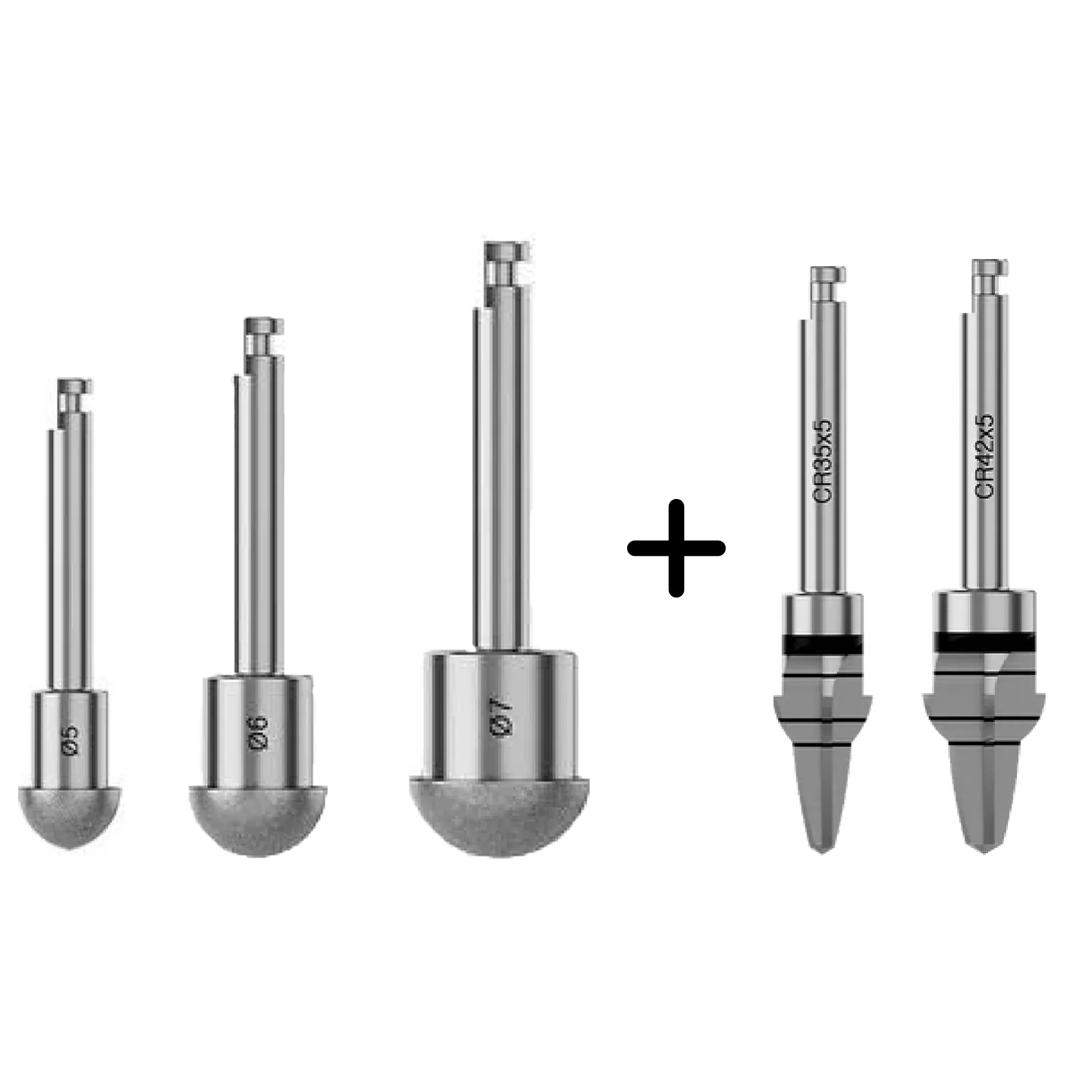
This isn’t just another fancy name for a regular dental drill — it’s a specialised tool designed to make the bone surface around the implant site just right for placement. And yes, it can make a noticeable difference in the outcome of your procedures.
1. Precision That Saves Time
In implant dentistry, time matters — not just for you, but also for your patient sitting in the chair. A Bone profiling drill is specifically designed to create a smooth, even contour around the implant site, which means you spend less time adjusting or making corrections later. Using a Bone profiling drill ensures greater precision and efficiency during the procedure.
Instead of having to make multiple passes or switch tools, you can prepare the area more efficiently. The result? A cleaner fit for the implant and a smoother surgical process overall.
2. Better Fit Means Better Stability
Implant success often comes down to how well the implant integrates with the bone. A precise fit reduces micromovements, which are one of the reasons implants can fail.
Many professionals agree that using the best implant drill for the job increases the chances of stability from the very start. A well-prepared site means less stress on the bone and better healing conditions. Think of it as building a house on perfectly level ground — it just lasts longer.
3. Minimising Bone Stress
Overheating or putting too much pressure on the bone during drilling can cause microdamage, which slows down healing. A bone profiling drill is designed to cut efficiently while reducing unnecessary force. This not only protects the bone but also makes the patient’s recovery smoother.
Some online dental forums have highlighted cases where improper bone preparation led to longer healing times or even implant failure. Proper tool choice and handling help prevent those problems before they start.
Read more : The role of a bone profiling drill in modern implant surgery 2025 insights
4. Designed for Cleaner Results
One underrated advantage of a good bone profiling drill is the clean margins it creates around the implant collar. This helps with the final look of the prosthetic tooth and makes oral hygiene easier for the patient later on.
A poorly prepared site can trap plaque or food debris, which might lead to peri-implantitis — something no dentist or patient wants to deal with down the road.
5. The Role of Specialised Shapes
Not all drills are created equal. In some cases, scallop-shaped drills are used to match the natural contour of the bone and soft tissue. This shape helps preserve more bone around the implant while still creating the right profile for the prosthetic.

It’s a subtle design detail, but it can have a big impact on how natural the final restoration looks and feels. Patients may not notice the difference during surgery, but they’ll appreciate the outcome in the long term.
6. Where My Understanding Might Be Limited
I’m not a dentist, so my perspective comes from research, professional discussions, and industry updates rather than hands-on surgical experience. There are likely nuances in choosing a bone profiling drill that only come with years of clinical practice.
For example, different implant systems may require slightly different drill profiles, and what works best for one patient’s bone density may not be ideal for another. That’s why experienced clinicians still rely heavily on training, feel, and judgment — not just the tool itself.
7. Real-World Feedback
In interviews and online discussions, many implant specialists mention that using a dedicated bone profiling drill reduces the number of complications they see. One clinician described it as “the unsung hero of implant placement” because it quietly prevents problems that would otherwise show up months or years later.
Others mention that the right drill can make the procedure less stressful for both the patient and the surgeon — fewer adjustments, faster placements, and cleaner healing.
Looking Ahead
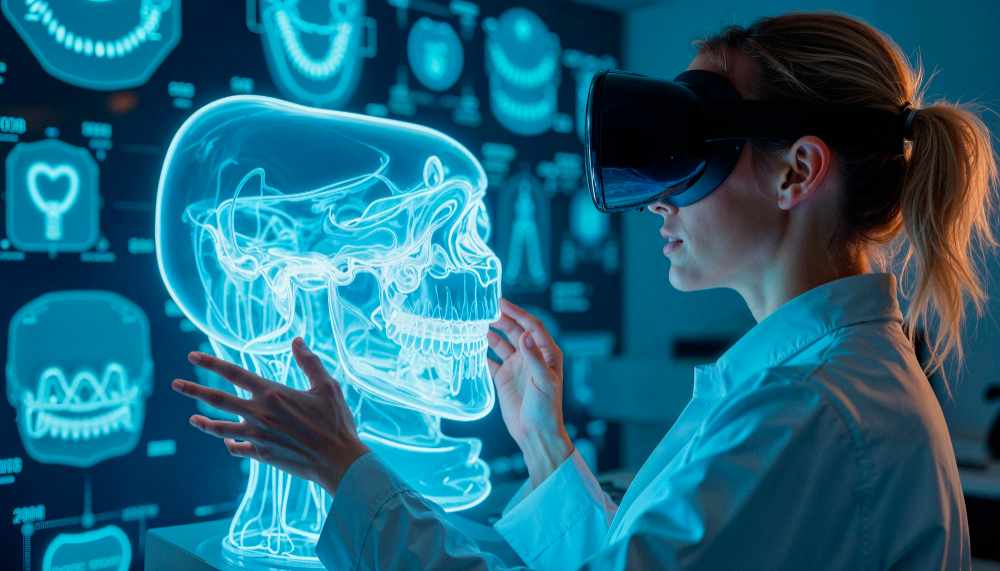
The tools used in implant dentistry are constantly evolving. Future versions of the best implant drill may include better coatings for smoother cutting, improved ergonomics for the surgeon, or even digital guides that integrate with 3D planning software.
What’s still unclear is whether all implant systems will adopt a standardised approach to bone profiling, or if it will remain something that varies from one brand to another. But one thing’s certain: precision tools like the bone profiling drill are here to stay, and their role in improving implant outcomes is only going to grow.
Frequently Asked Questions (FAQs)
1. What is a bone profiling drill used for?
It’s used in dental implant procedures to contour the bone around the implant site, ensuring a precise fit and better stability for the implant.
2. Is a bone profiling drill different from a regular drill?
Yes. It’s specially designed to shape the bone surface and reduce stress during surgery, unlike a standard drill that focuses only on creating a hole.
3. When should scallop-shaped drills be used?
They’re typically used to match the natural contours of bone and soft tissue, preserving more bone while creating the correct profile for the prosthetic.
4. Can the best implant drill improve healing time?
Yes. A high-quality drill can reduce bone trauma and overheating, leading to smoother healing and better implant integration.

Write a comment ...