
If you've been following developments in implant dentistry lately, you've probably noticed that artificial intelligence (AI) is showing up everywhere. From treatment planning software to guided surgery platforms, AI is rapidly becoming part of the conversation. In 2026, the question is no longer whether AI will influence implant dentistry—it already is. The more interesting question is how it's changing implant site preparation and what that means for clinicians like you.
While some of the excitement surrounding AI can feel a bit overhyped (every industry seems to claim AI will solve all problems), there are genuine reasons implantologists are paying attention. AI is helping practitioners analyze data more efficiently, plan procedures with greater precision, and potentially reduce variables that have traditionally made implant treatment more complex.
Why Implant Site Preparation Is Evolving
Implant site preparation has always required a careful balance of surgical skill, anatomical knowledge, and clinical judgment. Every patient presents unique challenges involving bone quality, density, anatomy, and restorative goals.
Traditionally, clinicians relied heavily on CBCT scans, experience, and manual planning to determine implant positioning and osteotomy protocols. Those fundamentals remain essential, but AI is beginning to add another layer of support.
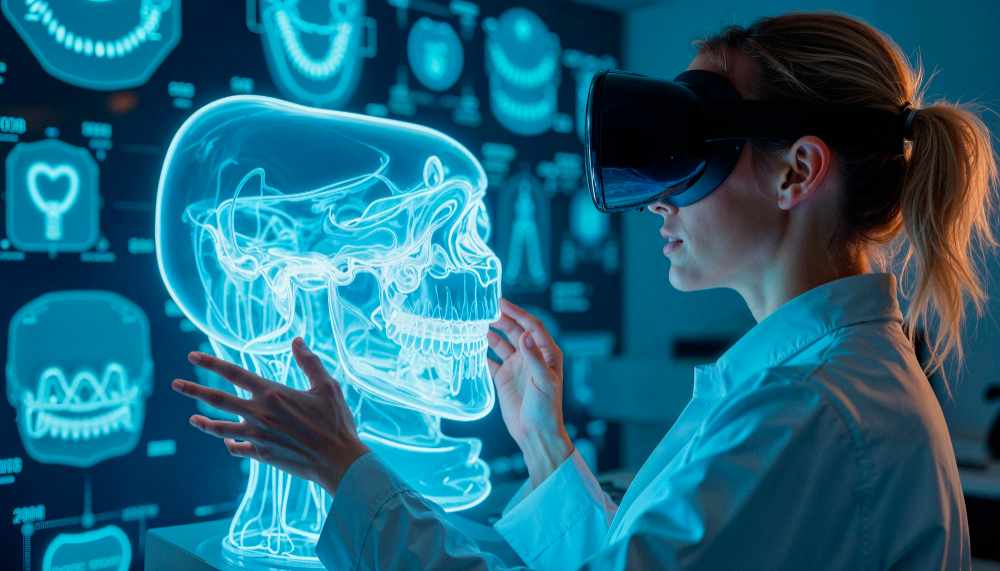
Instead of simply reviewing images, AI-powered systems can analyze scans, identify anatomical structures, assess bone conditions, and suggest treatment options within seconds. What might take considerable manual review can now be processed much faster.
That doesn't mean AI is replacing expertise. It means you may have a highly efficient assistant helping organize information before treatment begins.
How AI Improves Treatment Planning
One of the most noticeable impacts of AI is in treatment planning.
Modern AI-driven platforms can evaluate CBCT data and assist with:
Bone density assessment
Implant positioning recommendations
Anatomical risk identification
Surgical guide planning
Prosthetically driven implant placement
If you've ever spent an evening carefully reviewing scan data before a complex case, you'll understand why this capability is attracting attention.
AI can rapidly process large amounts of information and identify patterns that may otherwise require extensive manual analysis.
The goal isn't to make decisions for you. The goal is to provide better information so you can make more informed decisions.
The Rise of Data-Driven Osteotomy Planning
One emerging trend involves AI-supported osteotomy planning.
Instead of using generalized drilling protocols, future systems may be able to recommend more customized approaches based on patient-specific anatomy and bone conditions.
This trend aligns with the broader movement toward precision dentistry.
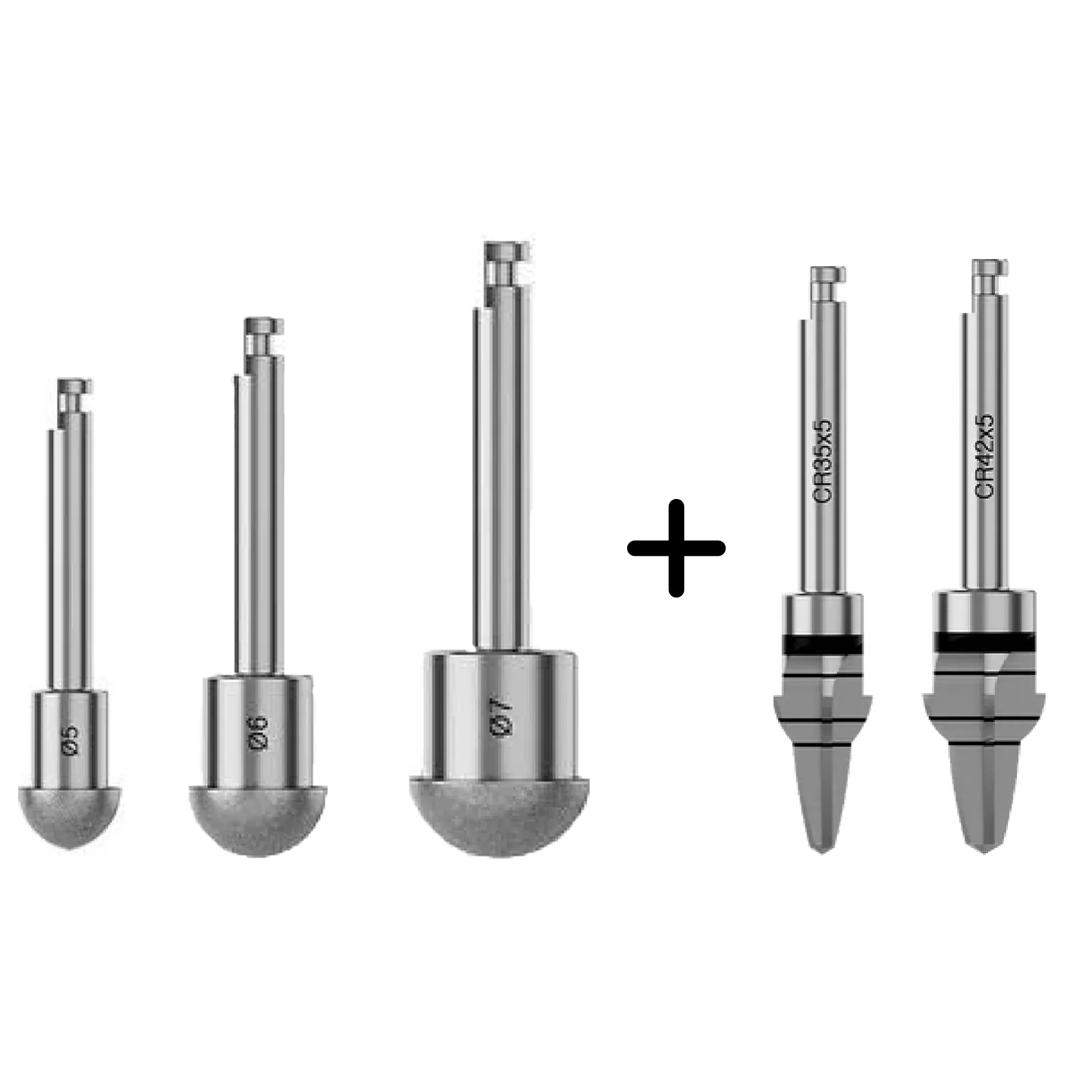
Companies and clinicians are increasingly exploring how digital planning can support more predictable implant site preparation. Technologies such as Universal Shapers fit naturally into this conversation because precision bone shaping and profiling become even more valuable when integrated into digitally planned workflows.
As planning becomes more sophisticated, the tools used during surgery must also support that level of precision.
Guided Surgery Is Becoming Smarter
Guided implant surgery has already transformed implant placement over the past decade.
AI is now making guided workflows even more intelligent.
Some systems can automatically generate surgical guide recommendations, optimize implant angulation, and identify potential complications before surgery begins.
Clinicians discussing AI-driven workflows in online implantology communities frequently report that digital planning allows them to visualize restorative outcomes earlier and with greater confidence.
The combination of AI, CBCT imaging, and guided surgery is creating a treatment environment where more decisions can be made before the patient even enters the surgical suite.
That level of preparation can reduce uncertainty and improve efficiency.
What Experts Are Saying
Industry experts continue to emphasize that AI should be viewed as a support tool rather than a replacement for clinical judgment.
Dr. Scott Ganz, a respected authority in digital implant dentistry, has long advocated for technology that improves diagnostic accuracy and treatment planning. While AI applications continue to evolve, the underlying principle remains consistent: better planning often leads to better outcomes.
At major implant conferences, discussions increasingly focus on digital workflows, machine learning applications, and predictive treatment planning. The enthusiasm is evident, but so is the caution.
Many educators remind clinicians that successful implant treatment still depends on surgical execution, patient factors, and sound decision-making.
In other words, AI can help you find the destination, but you're still driving the car.
Where AI Still Has Limitations
Despite the excitement, it's important to recognize the limitations.
AI systems are only as good as the data they analyze. Poor-quality imaging, unusual anatomy, or incomplete information can affect recommendations.
There is also the challenge of interpretation.
A software platform may suggest an implant position based on available data, but it cannot fully account for every clinical variable that an experienced implantologist considers.
Patient behavior, healing capacity, systemic health, and unexpected surgical findings remain difficult to predict.
As impressive as AI can be, it still doesn't know which patient ignored every post-operative instruction you carefully explained three times.
Some mysteries remain beyond the reach of technology.
Why Precision Tools Matter More Than Ever
As AI improves planning accuracy, the importance of surgical execution becomes even greater.
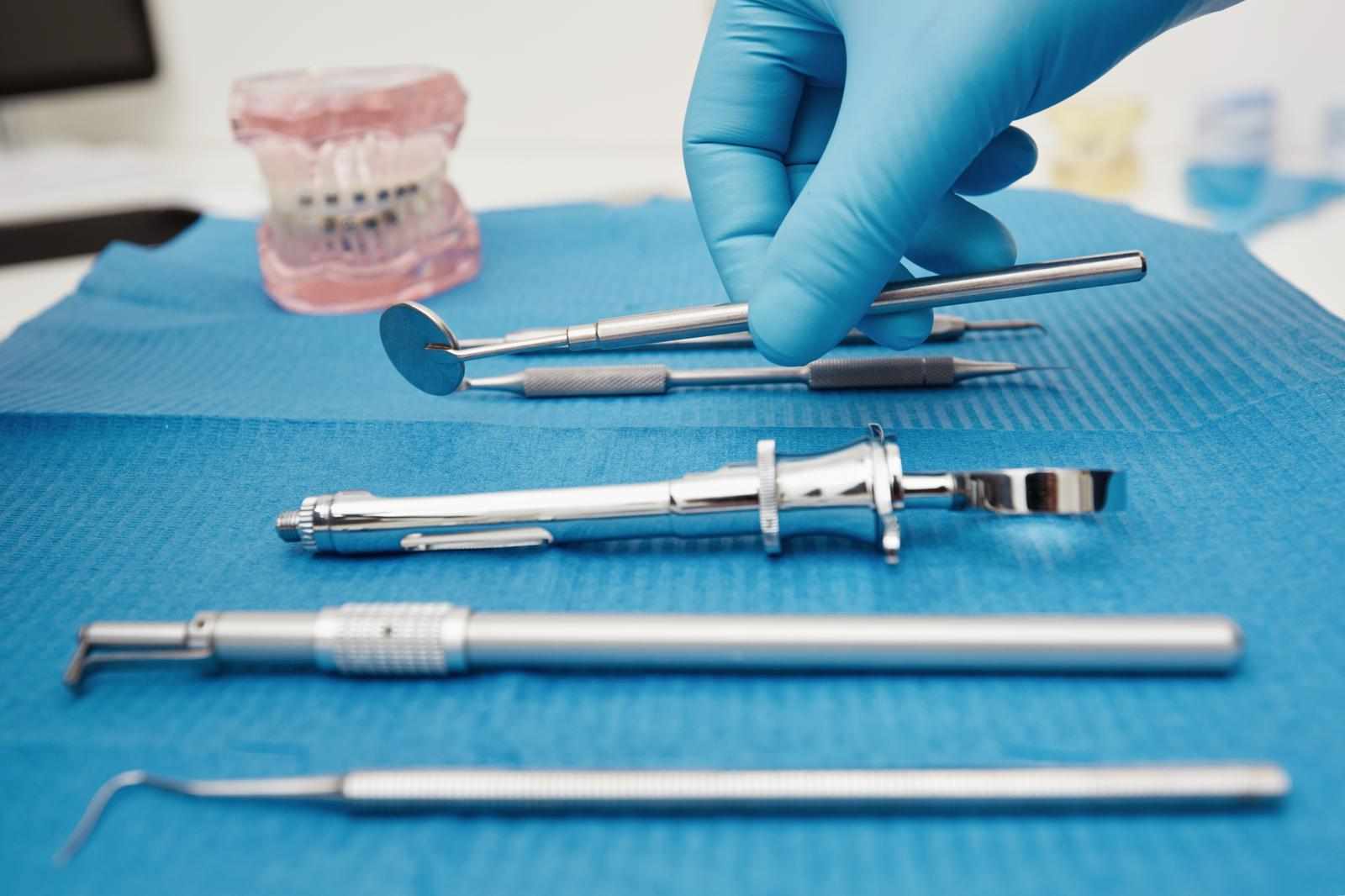
If digital systems are providing highly detailed treatment recommendations, clinicians need instruments capable of translating those plans into reality.
This is where advanced implant site preparation technologies become increasingly relevant.
Solutions such as Universal Shapers are designed to help clinicians shape, contour, and profile bone with precision. As AI-driven planning creates more customized treatment approaches, the ability to execute those plans accurately becomes a critical part of the workflow.
Planning and execution are becoming more closely connected than ever before.
The Future Is Still Taking Shape
AI is clearly influencing implant site preparation in 2026, but we're still in the early stages of understanding its full potential.
Future developments may include real-time surgical guidance, predictive healing analysis, automated treatment simulations, and even more sophisticated planning systems. Some experts believe AI could eventually help predict implant success probabilities based on thousands of clinical variables.
At the same time, questions remain. How accurate will these systems become? How should clinicians validate AI recommendations? And how will regulations evolve as the technology becomes more deeply integrated into patient care?
Those answers are still emerging.
What seems increasingly clear is that implant dentistry is moving toward a future where digital intelligence, surgical precision, and biologically driven treatment planning work together. Whether AI becomes a revolutionary force or simply a powerful clinical assistant, one thing is certain: implant site preparation in 2026 looks very different than it did just a few years ago—and the pace of change shows no signs of slowing down.


Write a comment ...