
If you're a dental professional — or even just someone curious about how dental implants work — you’ve probably heard the term bone profiling drill tossed around in implant discussions. Maybe you nodded along the first few times and thought, “Yeah, sure, bone... drilling... makes sense.” But what exactly is it, and why are dentists so into it?
Well, you're about to find out. This tool, while it might sound a bit intimidating at first, plays a pretty major role in modern implantology. So let’s break it down — simply, honestly, and with a little humor to keep things light.
1. It Shapes the Bone Around the Implant Site
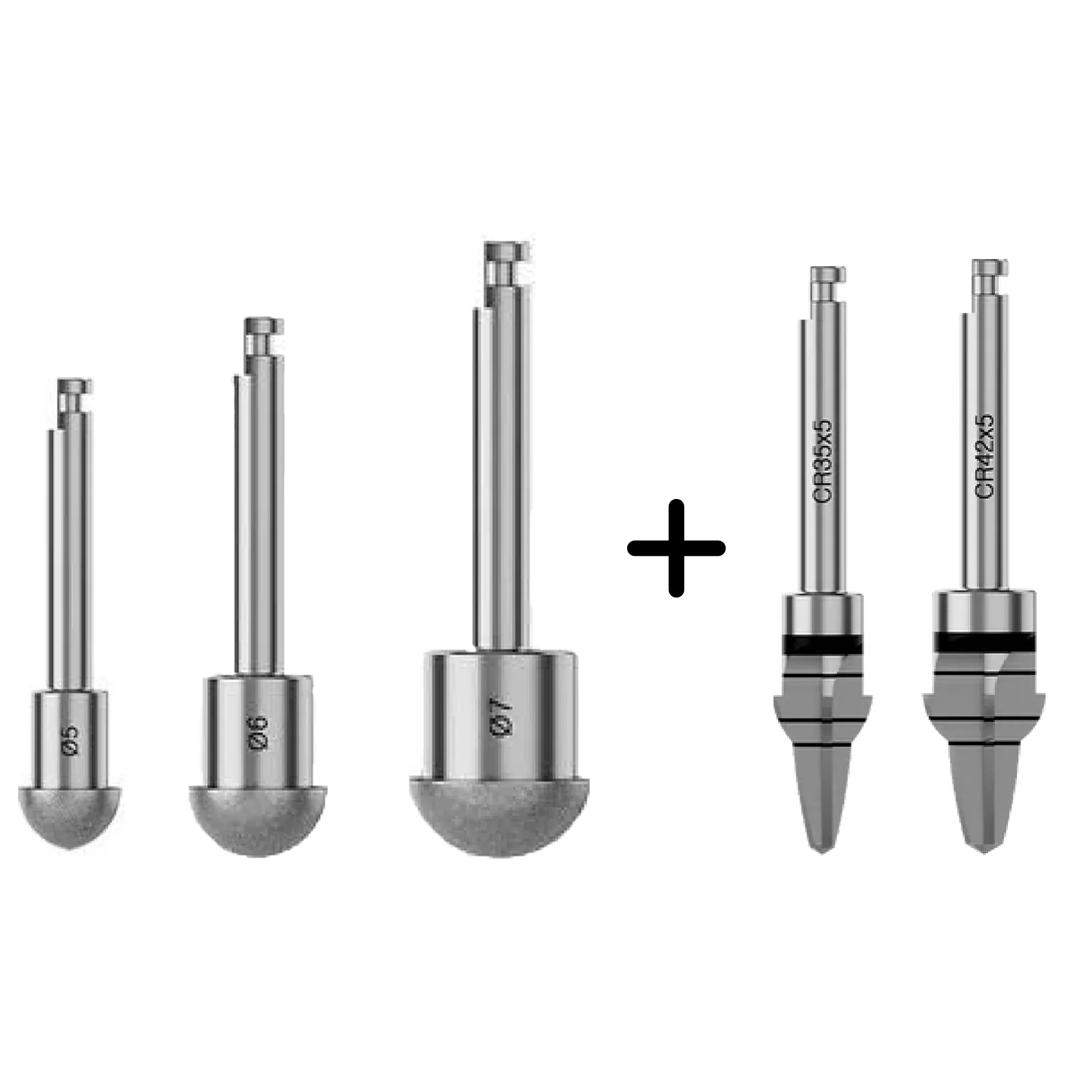
First and foremost, the bone profiling drill helps create space around the top part of the osteotomy (that’s the hole drilled for the implant). This is necessary because the implant's collar or neck often needs a little extra room to fit perfectly without bone getting in the way.
If you're a dentist, you know how crucial that fit is — it's like trying to put a puzzle piece in a spot that's just a millimeter too tight. It won’t sit flush, and that’s not ideal for healing or stability.
2. Prevents Bone Compression
When implants are forced into unshaped or tight bone, they can cause compression. This might sound like a snug fit, but compressed bone can damage the blood supply and lead to complications. Bone profiling drills reduce this risk by contouring the area properly.
3. Supports Better Soft Tissue Healing
By shaping the crestal bone, you're not just helping the implant — you're also making life easier for the soft tissue around it. Proper space and contouring mean less irritation, better gum adaptation, and fewer complaints from patients about “that weird pressure.”
4. Improves Primary Stability
Here’s something dentists and implant lovers often debate: what improves primary stability? Well, while many things contribute, profiling the crestal bone is one of them. It allows the implant to sit firmly without extra force, which helps avoid micro-movements that could interrupt osseointegration (a fancy word for bone and implant becoming best friends).
5. Minimizes Bone Stress
Bone isn’t a fan of stress — especially in the early healing stages. Using a bone profiling drill allows for a gentle, controlled adjustment of the crestal area, reducing unnecessary pressure and keeping the bone happy and healthy.
6. Enhances Aesthetic Results
No one wants a crown that looks like it’s fighting with the gum line. A well-shaped implant site helps soft tissue lay nicely around the final crown, making the entire restoration look more natural — something patients appreciate.

7. Makes Abutment Seating Easier
When it comes time to attach the abutment (the piece between the implant and the crown), a profiled bone ensures there's enough space and clearance. This leads to fewer adjustments, better fits, and less frustration mid-surgery.
8. Reduces Chances of Bone Overgrowth
Yes, bone can sometimes grow in the wrong places — especially around the implant collar. This can interfere with healing and cause long-term issues. A bone profiling drill helps prevent this by ensuring the bone is only where it should be.
9. Saves Time in the Long Run
Ironically, taking the extra step to profile the bone might seem like it would slow you down — but it speeds things up by reducing complications, extra adjustments, or needing to re-seat components later. Fewer headaches for everyone involved.
10. It’s Becoming the Standard of Ca
Let’s be honest — peer pressure is real, even in dentistry. More and more implant systems now recommend bone profiling drills as part of their surgical kit. Online forums and expert webinars often emphasize the benefits, and many dentists feel that skipping this step is like ignoring a GPS while driving — you might still get there, but it’s riskier and slower.
What’s Still Unclear?
Of course, not everything is perfectly black and white. Some clinicians argue that bone profiling isn’t always necessary — especially in cases with soft bone or implants without prominent shoulders. And let’s admit it: using more drills can increase surgery time and cost. Plus, techniques vary depending on implant design, bone type, and even your style as a dentist.
As technology continues to evolve, we might see smarter, multi-purpose drills or even digital surgical guides that reduce the need for manual profiling. But for now, bone profiling drills are a reliable, simple solution that makes a big difference.
FAQs (Naturally Answered in the Flow)
Do all implant surgeries require a bone profiling drill?
Not always. As mentioned above, in softer bone or with certain implant designs, some dentists skip this step. But in many cases, it improves the outcome and is becoming standard practice.
Does it hurt more for the patient?
Nope. Patients won’t notice whether the surgeon used a profiling drill or not. It’s done under anesthesia and doesn’t add discomfort. Better bone shaping can lead to smoother healing.
Is it worth investing in bone profiling drills for a small clinic?
Definitely. Even small practices benefit from fewer complications, better healing, and faster workflows — and patients will thank you for the smooth results.
Final Thoughts
At the end of the day, using a bone profiling drill is about precision, prevention, and professionalism. You’re not just drilling a hole; you’re preparing a foundation for something that’s supposed to last a lifetime. Whether you're just starting or have placed hundreds of implants, this simple tool might be the secret weapon your workflow has been missing.
As implant systems continue to evolve, one thing’s for sure — shaping the future still starts with shaping the bone.


Write a comment ...